
Marriage is a whirlwind of love, cake, and the occasional existential crisis about whether to swap your last name. As couples dive into their new lives together, one question often pops up: do I have to change my name on my passport after tying the knot? It’s not just a matter of preference; it’s about navigating the maze of bureaucracy while trying to avoid long lines and paperwork that feels like a scavenger hunt.
While some may embrace the idea of a fresh identity, others might prefer to keep their passport as a memento from their single days. Whether you’re ready to take the plunge or hold onto your old name like a cherished childhood toy, understanding the implications of this decision is crucial. Let’s unravel the mystery behind passport names and help you decide if it’s time for a makeover or if your passport can keep its original charm.
Understanding Passport Name Changes
Changing a name on a passport after marriage requires understanding specific guidelines. Many individuals wonder about the necessity of updating their passport to reflect their new marital status. The process can vary by country, so researching local regulations becomes essential.
Names on passports must match legal documents. If a couple decides to adopt a new last name, presenting a marriage certificate or a legal name change document is vital during the application process. Applicants may face delays if documentation is incomplete or inaccurate.
Updating a passport isn’t just about the name. It may also affect travel plans, especially if the person has non-matching identification. Travelers should ensure that their airline and hotel reservations align with the name on their passport to avoid complications.
Applications for passport updates typically involve specific steps. Filling out a passport application form, submitting a passport photo, and paying the applicable fees are common requirements. Processing times can vary, so allowing several weeks for changes is advisable.
Alternative options exist for those who prefer not to change their name. Individuals can retain their original name on their passport. Those who choose this route often find it simpler for international travel and identification purposes.
Ultimately, the decision rests on personal preference. Understanding the implications of a name change on one’s passport plays a crucial role in the decision-making process. Each option carries distinct advantages, making it important to weigh them carefully.
Reasons to Change Your Name on a Passport
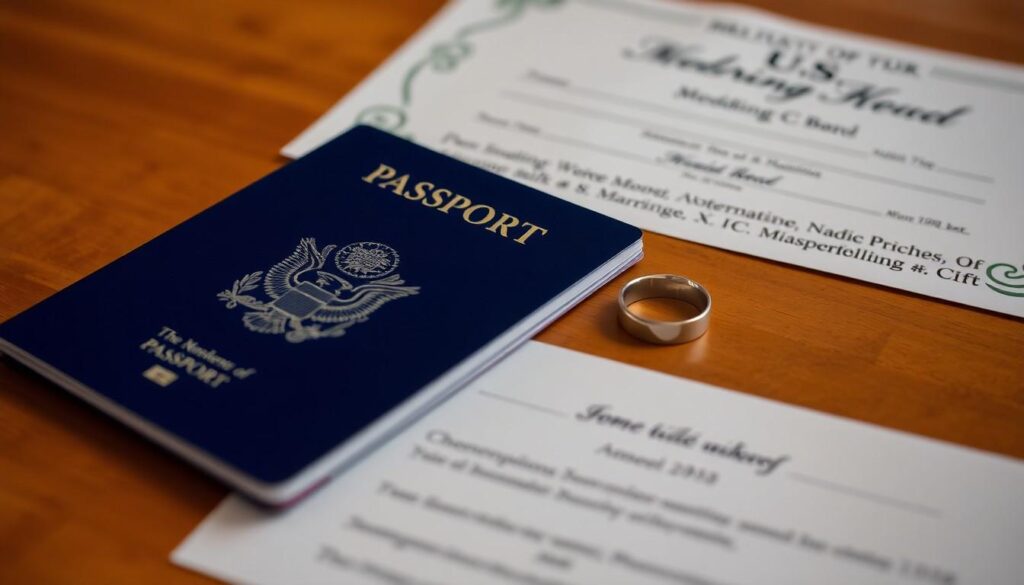
Changing a name on a passport after marriage can impact legal documentation and identity perception. Understanding these reasons helps couples make informed decisions.
Legal Considerations
Name alignment with legal documents is crucial. A passport name that doesn’t match a marriage certificate can complicate travel plans. Authorities might question identity, leading to delays or denials at border control. Some countries require consistency across all identification; thus, keeping names uniform reduces potential issues. Additionally, banks or government agencies often request updated identification when processing name changes. This uniformity streamlines interactions with official entities, ensuring clarity.
Personal Preference
Personal identity plays a significant role in the decision to change a name. Some individuals cherish the idea of adopting a partner’s surname as a symbol of unity. Others prefer retaining their maiden name for professional or personal reasons, valuing their pre-marriage identity. Couples may find comfort in choosing a name that feels authentic to their relationship. Making this decision often reflects individual beliefs about identity and partnership. Ultimately, emotional attachments to names influence many choices.
The Process of Changing Your Name on a Passport
Changing a name on a passport involves specific requirements and steps that vary by location. Understanding these details ensures a smoother transition for individuals following marriage.
Required Documentation
A marriage certificate serves as the primary document required for name changes on passports. This authenticates the new name and establishes the legal basis for the change. Additionally, individuals might need to provide their current passport, a completed application form, and a recent passport photo. Checking with the relevant authority ensures all documentation aligns with local regulations. Be prepared to show proof of name change if applying under another jurisdiction.
Steps to Update Your Passport
Begin the process by obtaining the application form for a name change. This form is typically available online or at passport offices. After completing the form, gather the necessary documentation, including a marriage certificate and a recent photo. Next, submit the application along with any applicable fees, which can vary based on the passport type. Processing times differ, so applying well in advance of travel plans is advisable. Tracking the application status can also provide peace of mind during the waiting period.
Potential Challenges
Changing a name on a passport after marriage presents several potential challenges. Confusion often arises due to differing requirements across countries. Some may experience delays in processing times, affecting upcoming travel plans.
Name discrepancies can create unexpected travel complications. For instance, if a passport name doesn’t match a booking, it can lead to refused boarding. Booking systems might reject travelers with inconsistent identification, even if personal details align otherwise.
Individuals also face the task of gathering necessary documentation. A marriage certificate serves as the primary proof of a name change, yet additional ID might be required depending on local regulations. Obtaining a new passport photograph may involve another trip to a photo service, adding to the effort needed.
Time constraints can increase stress levels during this process. Travelers must apply well before their intended trips to avoid last-minute issues. Early planning allows more leeway to navigate potential roadblocks that could arise from name changes.
Keeping the original passport name can simplify some issues. Individuals opting not to change their names avoid the risk of dealing with mismatched identification completely. Some may prefer this route to maintain consistency across documents.
Emotional considerations also play a role. The desire to embrace a new identity often conflicts with attachment to an original name. Weighing these feelings against the practical elements may complicate the decision further.
Deciding whether to change a name on a passport after marriage is a personal choice that involves various factors. Each individual must weigh the emotional significance of adopting a new name against the practical implications of such a change.
Understanding the requirements and potential complications can help streamline the process. Whether one opts to embrace a new identity or retain their original name, ensuring consistency across legal documents is essential for smooth travel experiences. Ultimately, it’s about what feels right for each person in their journey of partnership and identity.